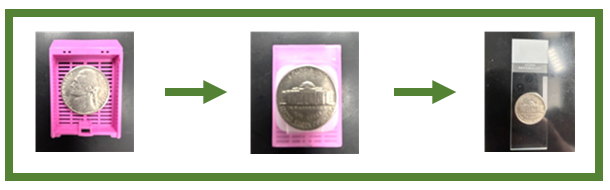
Histological Process

Histological Process

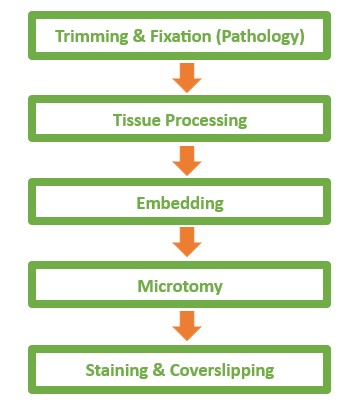
Processing & Embedding

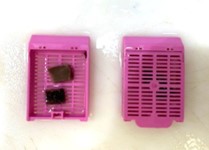
Tissue Processing involves the use of specialized equipment and reagents to fix tissue cassettes, remove water, and infiltrate tissue with paraffin wax.

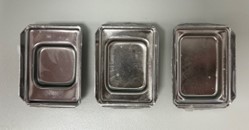
Embedding is the next step after tissue processing. The cassette tissues are transferred into a mold and filled with paraffin wax. This gives the tissue the structure needed to obtain slide sections.

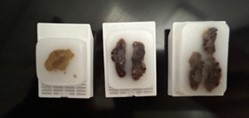
All the tissue in 1 cassette = 1 block = 1 section

Tissue at the BOTTOM of the cassette is the tissue we take a section from

Microtomy

Sectioning a highly skilled process that utilizes a microtome to cut very thin sections of tissue that are picked up and used to create a slide.

There are many factors that affect sectioning, and skilled technicians work hard to minimize the effects of these factors. However, some tissue preparation (ie fixation and decalcification) factors may prevent obtaining optimal tissue sections- even with skilled and seasoned technicians.

Charged Slides (AKA Plus slides, adhesive slides) are used on bone and hard tissues, and tissues that will be Special stained or IHC stained. This is to prevent the tissue from falling off the slide during the staining process.

Any Unstained Slides we produce are also put on Charged Slides for staining in the future.

Staining

H&E Staining

Hematoxylin & Eosin (H&E) Staining is the most common stain requested in histology.

Hematoxylin - stains the nuclei of cells dark purple/blue

Eosin - stains other tissue elements various shades of pink.

This allows you to see the basics of the tissue section- like a black & white photo

Special Stains

Special Stains are additional stains that primarily focus on more detailed tissue morphology.

Special Staining illustrates additional details – Like a color photo

The CVMDL Histology Lab offers a variety of Special Staining techniques. If you are interested in a particular stain, we can happily discuss special stain options and/or make recommendations.

IHC Staining

Immunohistochemical (IHC) Staining can provide even greater detail of the tissue section. It works by taking advantage of antigen-antibody interactions to visualize certain cell markers that may be present in the tissue. If they are present, they are flagged with a chromogen that is a visual pop of color.

Currently, the CVMDL Histology Lab is in the process of modernizing the IHC process with the addition of a new IHC Autostainer.